India’s packaged drinking water industry is growing rapidly due to increasing health awareness, urbanization, and rising demand for safe and hygienic drinking water. From apartments and offices to hotels, hospitals, schools, and industries, purified water has become an essential daily requirement across the country.
As demand continues to grow, many entrepreneurs and businesses are planning to enter the packaged drinking water industry. One of the most common questions before starting is:
How much does a mineral water plant cost in India?
The answer depends on multiple factors such as:
- Plant capacity
- Automation level
- Water treatment technology
- Packaging type
- Machinery quality
- Infrastructure requirements
- Licensing and operational expenses
In this complete guide, we explain the estimated mineral water plant cost in India, machinery pricing, setup investment, operating expenses, required licenses, and expected profit margins to help you plan your business effectively.
Why the Mineral Water Business is Growing in India
The demand for purified drinking water has increased significantly in India due to:
- Groundwater contamination
- Urban population growth
- Rising health awareness
- Expansion of commercial infrastructure
- Increasing tourism and hospitality businesses
Today, purified drinking water is essential across sectors such as:
- Residential apartments
- Hotels and restaurants
- Hospitals and clinics
- Schools and colleges
- Corporate offices
- Manufacturing industries
- Events and public gatherings
Although the initial investment in a packaged drinking water plant may appear high, the business offers strong long-term growth potential and recurring customer demand.
Factors That Affect Mineral Water Plant Cost in India
The total mineral water plant setup cost varies depending on several important factors.
1. Plant Capacity
Plant capacity plays a major role in determining overall investment.
Common plant capacities include:
- 250 LPH
- 500 LPH
- 1000 LPH
- 2000 LPH
- 5000 LPH and above
Higher-capacity plants require:
- Larger RO systems
- Additional storage tanks
- Bigger bottling lines
- More manpower
- Increased electricity consumption
As production capacity increases, overall setup cost also increases.
2. Automation Level
The level of automation directly impacts the overall investment and operational efficiency.
Semi-Automatic Mineral Water Plant
Semi-automatic systems are ideal for:
- Startups
- Small-scale businesses
- Local distribution
Advantages
- Lower initial investment
- Easier maintenance
- Lower machinery cost
- Suitable for local jar supply businesses
Limitations
- Requires more manpower
- Slower production speed
- Lower production efficiency
Fully Automatic Mineral Water Plant
Fully automatic systems are suitable for:
- Medium-scale businesses
- Large-scale production
- Commercial distribution networks
Advantages
- Faster production
- Higher efficiency
- Reduced labor dependency
- Better consistency and hygiene
- Improved long-term productivity
Limitations
- Higher initial investment
- More advanced infrastructure requirements
Although fully automatic systems require higher investment, they significantly improve long-term operational efficiency and scalability.
3. Packaging Type
The bottled water plant setup cost also depends on the packaging formats selected.
Businesses may choose:
- 200 ml cups
- 500 ml bottles
- 1 litre bottles
- 2 litre bottles
- 20 litre jars
Multiple packaging formats require additional:
- Filling machines
- Labeling systems
- Packaging equipment
- Bottle handling systems
4. Water Treatment Technology
Advanced purification systems increase the overall RO water plant cost in India.
Common purification technologies include:
- Sand filtration
- Activated carbon filtration
- Reverse Osmosis (RO)
- UV sterilization
- Ozonation systems
- Micron filtration
High-quality purification systems help maintain BIS-compliant drinking water standards and improve product quality.
Mineral Water Plant Cost Based on Capacity
Below is an estimated breakdown of mineral water plant investment based on production capacity.
Small Scale Mineral Water Plant Cost (250–500 LPH)
Small-scale plants are suitable for:
- Startups
- Rural markets
- Local water jar supply
- Small businesses
Approximate Cost Breakdown
| Component | Estimated Cost |
| RO Plant System | ₹1.5 Lakhs – ₹3 Lakhs |
| Water Storage Tanks | ₹50,000 – ₹1 Lakh |
| Jar Washing Machine | ₹40,000 – ₹1 Lakh |
| Filling Machine | ₹60,000 – ₹1.5 Lakhs |
| Packaging Equipment | ₹50,000 – ₹1 Lakh |
| Installation & Piping | ₹50,000 – ₹1 Lakh |
Estimated Total Investment
₹5 Lakhs – ₹10 Lakhs
This investment range is suitable for entrepreneurs planning a local packaged drinking water business.
Medium Scale Mineral Water Plant Cost (1000–2000 LPH)
Medium-scale plants are ideal for:
- Commercial water supply
- Hotels and restaurants
- Corporate offices
- Industrial clients
- City-wide distribution
Approximate Cost Breakdown
| Component | Estimated Cost |
| Commercial RO Plant | ₹4 Lakhs – ₹8 Lakhs |
| Automatic Filling Machine | ₹3 Lakhs – ₹7 Lakhs |
| Bottle Blowing Machine | ₹5 Lakhs – ₹10 Lakhs |
| Labeling & Shrink Wrapping | ₹2 Lakhs – ₹5 Lakhs |
| Storage Tanks | ₹1 Lakh – ₹3 Lakhs |
| Installation & Civil Work | ₹1 Lakh – ₹2 Lakhs |
Estimated Total Investment
₹15 Lakhs – ₹35 Lakhs
This is one of the most common investment ranges for commercial RO plant setups in India.
Large Scale Mineral Water Plant Cost (5000 LPH & Above)
Large-scale plants are suitable for:
- National water brands
- High-volume production
- Large distribution networks
- Industrial supply chains
Estimated Investment
₹50 Lakhs – ₹2 Crores+
Large plants generally include:
- High-speed bottling lines
- Fully automatic systems
- Conveyor systems
- Advanced RO purification units
- Automatic packaging machinery
Semi Automatic vs Fully Automatic Plant Cost Comparison
| Feature | Semi Automatic Plant | Fully Automatic Plant |
| Initial Investment | Lower | Higher |
| Labor Requirement | High | Low |
| Production Speed | Moderate | High |
| Maintenance | Easier | Advanced |
| Best Suitable For | Startups | Large-scale production |
| Expansion Capability | Limited | High |
Mineral Water Plant Machinery Cost Breakdown
The total water packaging machine cost depends on the machinery selected for purification, bottling, and packaging operations.
Essential Machines Required
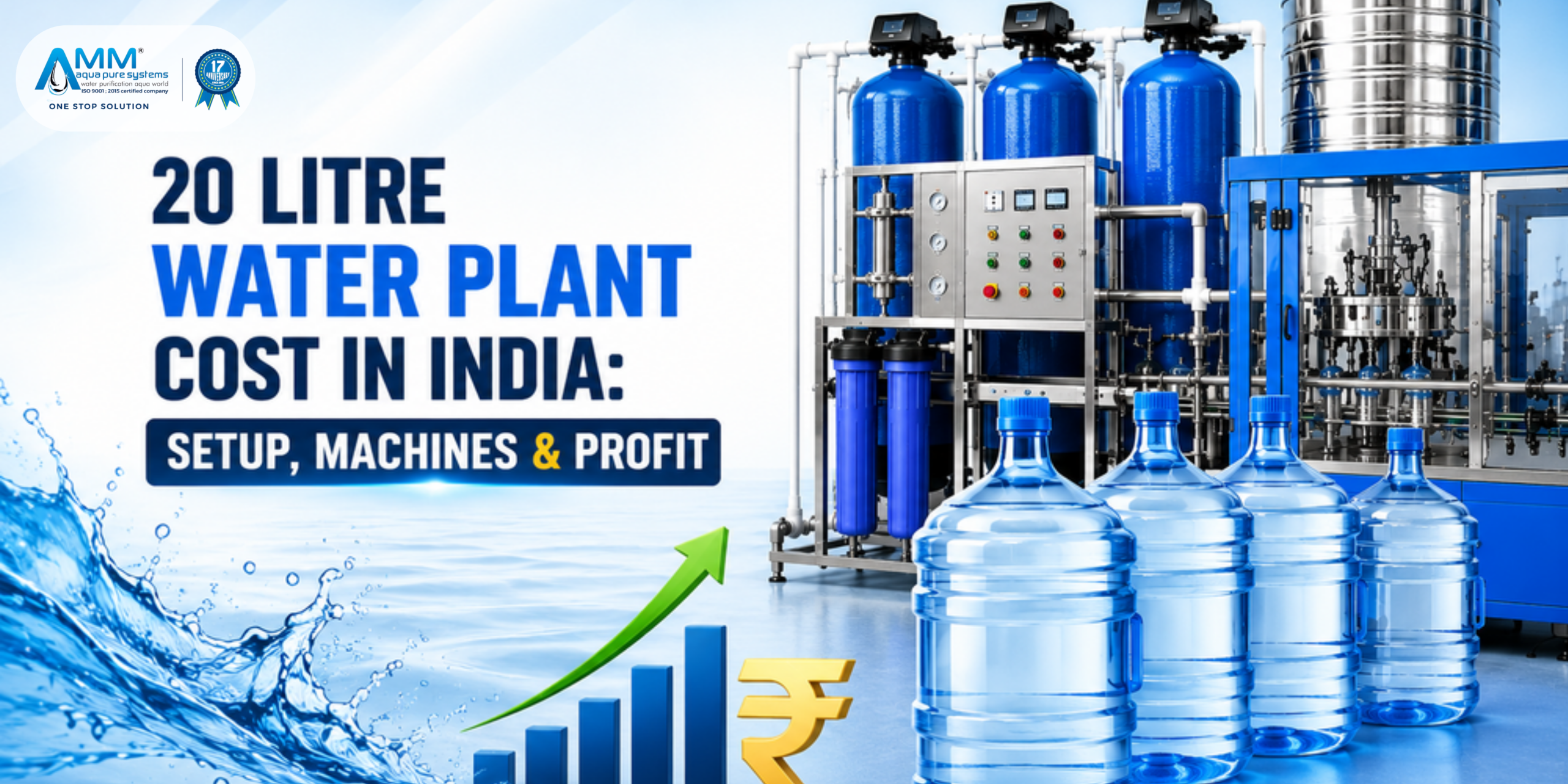
RO Water Treatment Plant
Removes impurities and purifies raw water.
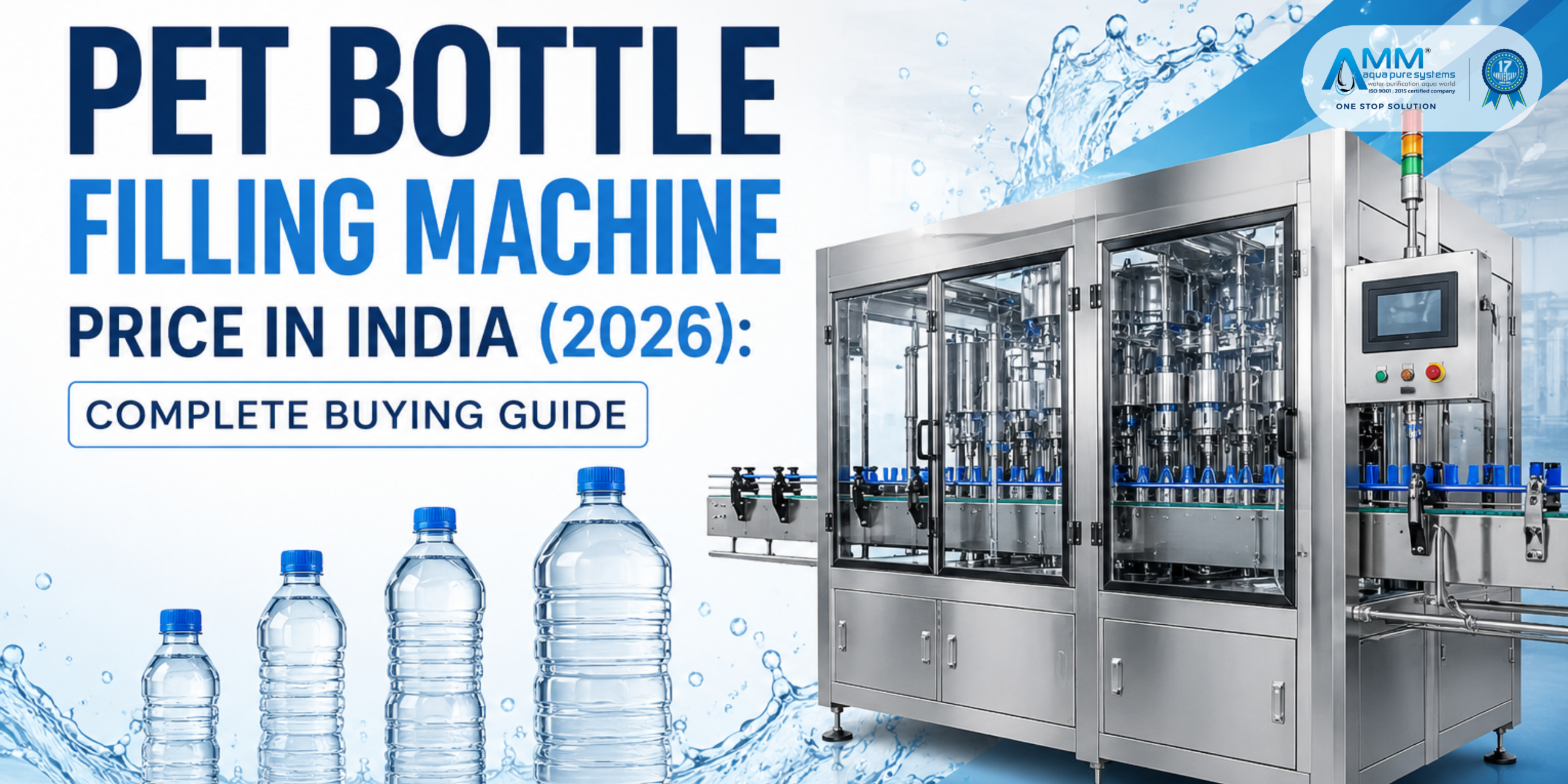
Bottle Filling Machine
Used for semi-automatic or automatic bottle filling operations.
Bottle Blowing Machine
Manufactures PET bottles for water packaging.
Labeling Machine
Applies product labels and branding.
Shrink Wrapping Machine
Used for secondary packaging and transportation safety.
Ozone Mixing System
Maintains bacteria-free water storage and improves water quality.
Investing in high-quality machinery improves operational efficiency and reduces long-term maintenance expenses.
Land and Infrastructure Cost
Infrastructure is another major factor affecting mineral water plant setup cost.
Space Requirement
| Plant Size | Space Required |
| Small Plant | 800–1500 sq.ft |
| Medium Plant | 2000–5000 sq.ft |
| Large Plant | 10,000+ sq.ft |
Additional Infrastructure Expenses
Businesses should also consider:
- Borewell or water source setup
- Civil construction work
- Flooring and drainage systems
- Electrical connection
- Storage room setup
- Quality testing laboratory
Infrastructure expenses may range between:
₹3 Lakhs – ₹25 Lakhs
depending on location and plant size.
Licenses Required for Mineral Water Plant in India
Many entrepreneurs underestimate licensing expenses while calculating total investment.
Important Licenses and Certifications
BIS Certification
Mandatory for packaged drinking water businesses in India.
FSSAI License
Required for food-grade manufacturing approval.
GST Registration
Necessary for legal business operations.
Pollution Control Board Approval
Required in many states depending on local regulations.
Trade License
Issued by local municipal authorities.
ISI Certification
Improves product quality assurance and customer trust.
These approvals are essential for legal compliance and long-term business credibility.
Documents Required for BIS Approval
Businesses typically require:
- Water test reports
- Land ownership or rental agreement
- Machinery details
- Factory layout
- Quality control lab details
- Business registration documents
Proper documentation helps speed up approval processes.
Monthly Operating Cost of Mineral Water Plant
In addition to setup investment, businesses should calculate recurring monthly expenses.
Major Operating Expenses
Electricity Charges
RO systems and bottling lines consume significant electricity.
Labor Cost
Includes technicians, operators, helpers, and delivery staff.
Packaging Cost
Bottles, caps, labels, shrink films, and jars are recurring expenses.
Maintenance and AMC
Regular servicing ensures uninterrupted production.
Transportation Cost
Includes logistics and fuel expenses.
Water Source Maintenance
Includes borewell maintenance and filtration servicing.
Managing operational expenses effectively helps improve profit margins.
How Long Does It Take to Start a Mineral Water Plant?
The average setup timeline depends on:
- Plant size
- Machinery availability
- Civil work completion
- Government approvals
Estimated Timeline
| Process | Approximate Duration |
| Project Planning | 1–2 Weeks |
| Machinery Manufacturing | 3–6 Weeks |
| Installation | 1–2 Weeks |
| BIS & License Approval | 1–3 Months |
Overall, most businesses can start operations within:
2–4 Months
Is Mineral Water Plant Business Profitable in India?
Yes. The packaged drinking water business offers strong profit potential due to increasing demand and recurring customer requirements.
Businesses supplying:
- Apartments
- Offices
- Hotels
- Hospitals
- Industries
- Retail shops
often achieve stable monthly revenue and long-term customer retention.
Average Profit Margins
| Product Type | Estimated Profit Margin |
| 20 Litre Water Jars | 30% – 50% |
| Small Water Bottles | 20% – 40% |
| Commercial Bulk Supply | 15% – 25% |
ROI depends on:
- Production capacity
- Machinery efficiency
- Market demand
- Distribution network
- Operating cost management
Common Mistakes to Avoid Before Investing
Many startups make costly mistakes while planning a bottled water business.
Common Mistakes Include
- Choosing low-quality machinery
- Ignoring BIS and FSSAI compliance
- Underestimating operating expenses
- Selecting poor water sources
- Ignoring maintenance planning
- Weak distribution network
- Investing in insufficient plant capacity
Proper planning improves business sustainability and profitability.
Tips to Reduce Mineral Water Plant Setup Cost
Entrepreneurs can optimize investment through proper planning and efficient machinery selection.
Cost Saving Tips
- Start with semi-automatic systems
- Focus initially on 20-litre jar supply
- Use energy-efficient machinery
- Optimize packaging expenses
- Choose reliable low-maintenance equipment
- Work with experienced solution providers
Partnering with experienced manufacturers helps reduce long-term operational expenses.
Looking for a Customized Mineral Water Plant Setup?
Businesses planning to start a packaged drinking water business can connect with AMM Aqua for:
- Commercial RO plants
- Mineral water plant machinery
- Bottle filling machines
- Jar filling systems
- Water bottling solutions
- Customized plant solutions
- Installation assistance
- After-sales support
AMM Aqua provides complete project guidance for small-scale, medium-scale, and fully automatic mineral water plant setups across India.
Important Note About Mineral Water Plant Cost
Note: The above mineral water plant cost estimates are approximate and may vary based on:
- Plant capacity
- Stainless steel grade
- Machinery configuration
- Automation level
- Raw material pricing
- Location
- Market fluctuations
- Specific business requirements
For accurate pricing, businesses should consult experienced mineral water plant manufacturers and solution providers.
Why Choose AMM Aqua for Mineral Water Plant Solutions
AMM Aqua provides complete packaged drinking water plant solutions for entrepreneurs and commercial businesses across India.
The company offers:
- Commercial RO plants
- Mineral water plant machinery
- Water bottling systems
- Jar filling systems
- Customized project solutions
- Installation assistance
- Technical support
- After-sales service
With industry experience and customized project support, AMM Aqua helps businesses build efficient and scalable water treatment operations.
Frequently Asked Questions
How much investment is needed to start a mineral water plant in India?
A small-scale mineral water plant may start from approximately ₹5 Lakhs depending on plant capacity, machinery selection, and automation level.
Is the mineral water business profitable in India?
Yes. Due to increasing demand for hygienic drinking water, the mineral water business offers strong recurring revenue opportunities across residential and commercial sectors.
Which license is required for packaged drinking water business?
BIS certification and FSSAI license are mandatory for packaged drinking water businesses in India.
What is the cost of a 1000 LPH mineral water plant?
A 1000 LPH setup may require an estimated investment between ₹15 Lakhs and ₹35 Lakhs depending on machinery configuration and automation level.
What is the RO water plant cost in India for small businesses?
A small commercial RO setup may cost between ₹1.5 Lakhs and ₹5 Lakhs depending on purification capacity and technology.
Can I start with only 20-litre jar supplies?
Yes. Many startups begin with 20-litre jar supply businesses because they require lower investment and offer recurring customer demand.
Which is better: semi automatic or fully automatic mineral water plant?
Semi-automatic plants are suitable for startups with limited budgets, while fully automatic plants are ideal for high-volume production and long-term scalability.
Conclusion
The mineral water plant cost in India depends on several important factors including:
- Plant capacity
- Machinery quality
- Automation level
- Infrastructure
- Packaging requirements
- Licensing expenses
While small businesses can begin with moderate investment, larger fully automatic plants require higher capital investment. However, due to increasing demand for purified drinking water, the packaged drinking water industry continues to remain one of the most profitable manufacturing businesses in India.
With proper planning, BIS-compliant systems, quality machinery, and strong distribution support, entrepreneurs can build a successful and scalable packaged drinking water business.
If you are planning to start a mineral water plant in India, connect with AMM Aqua for complete plant setup solutions, machinery support, installation assistance, and expert consultation.